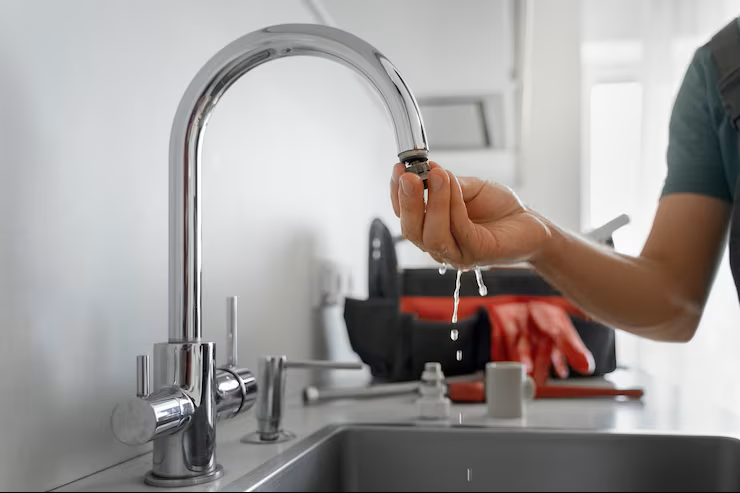
Low water pressure can make everyday tasks feel harder than they should. A weak shower, slow-filling sink, poor hot water flow or garden tap with barely any force can be frustrating, but it can also be a sign that something in your plumbing system needs attention.
For Sydney homes, low water pressure can come from many different places. It may be as simple as a blocked tap aerator or a partly closed valve. It may also point to a hidden leak, damaged pipe, faulty pressure limiting valve, hot water system issue, old pipework or a local water supply problem.
Final Touch Plumbing helps Sydney homeowners find the real cause of low water pressure, not just guess at the symptoms. This guide explains why your water pressure may be low, what you can check safely yourself, when Sydney Water may be involved, and when it is time to call a licensed plumber.
Quick Answer: Why Is My Water Pressure Low?
Low water pressure is usually caused by one of the following issues:
- A partially closed water meter tap or isolation valve
- Blocked tap aerators or showerheads
- A hidden leak inside the property
- A burst or damaged pipe
- Old, corroded or restricted pipework
- A faulty pressure limiting valve
- A problem with the hot water system
- Blocked filters, strainers or internal pipework
- Local Sydney Water works or pressure changes
- Too many taps, showers or appliances being used at once
- Shared water supply issues in units, duplexes or older homes
The fastest way to narrow it down is to check where the pressure problem is happening. If it affects one tap only, the issue is likely with that tap or fixture. If it affects the whole house, the cause may be closer to the main supply, private pipework, pressure valve or a hidden leak.
Is It Water Pressure or Water Flow?
Many people say “low water pressure” when they actually mean poor water flow. The two are connected, but they are not exactly the same.
Water pressure is the force pushing water through your pipes. Water flow is how much water comes out of the tap or shower.
This matters because your home may have enough pressure coming into the property, but poor flow inside the house because of a blocked fitting, restricted pipe, faulty valve or old plumbing. A proper plumbing check looks at both pressure and flow so the right issue is fixed.
Start Here: Work Out Where the Problem Is Happening
Before replacing taps or assuming the worst, test the water around your home.
If Only One Tap Has Low Pressure
If one tap is weak but the rest of the home is fine, the issue is usually local to that fixture.
Common causes include:
- A blocked tap aerator
- A worn tap washer or cartridge
- Debris inside the tap body
- A kinked flexible hose under the sink
- A partly closed isolation valve below the basin or kitchen sink
This is often one of the simplest low pressure problems to fix. Cleaning the aerator or replacing a worn part may restore normal flow.
If Only One Shower Has Low Pressure
If your shower has weak pressure but other taps are working well, the problem may be with the showerhead, mixer, hose or hot water supply.
Common causes include:
- Mineral build-up in the showerhead
- A blocked or twisted shower hose
- A faulty mixer cartridge
- A water-saving restrictor affecting flow
- A hot water system issue if only the hot side is weak
If cleaning the showerhead does not help, a plumber can check the mixer, valves and hot water connection.
If Every Tap Has Low Pressure
If low pressure is happening across the whole property, the issue may be more serious.
Possible causes include:
- The water meter tap is not fully open
- The main isolation valve is partly closed
- A pressure limiting valve is faulty
- A hidden leak is reducing water flow
- A burst pipe is losing water before it reaches the house
- Old pipes are corroded or restricted
- Sydney Water works or local supply issues are affecting your area
Whole-house low water pressure should be investigated properly, especially if the change happened suddenly.
If Only the Hot Water Pressure Is Low
If cold water pressure is fine but hot water pressure is weak, the issue is usually linked to the hot water system or hot water pipework.
Common causes include:
- A faulty tempering valve
- A blocked hot water strainer
- Sediment inside the hot water unit
- A failing pressure limiting valve
- A faulty inlet control valve
- Old or restricted hot water pipes
Hot water pressure issues are different from general pressure problems, so they need the right diagnosis.
What Is Normal Water Pressure in Sydney?
Sydney Water supplies water pressure to properties across Sydney, but the exact pressure can vary depending on the suburb, street, land height, water main, local network conditions and property setup.
Homes on higher ground may naturally experience lower pressure than homes in lower areas. Older homes may also have private pipework that limits flow even when the street supply is fine. Apartments, townhouses, duplexes and properties with long private water lines can also have different pressure challenges.
That is why a Sydney plumber needs to look at the full system, not just one tap. The issue may be with the local supply, the meter, the private pipework, the pressure valve, the hot water system or a hidden leak.
How to Test Your Water Pressure at Home
You can do a simple water flow check before calling a plumber.
Step 1: Turn Everything Off
Make sure all taps, showers, washing machines, dishwashers, irrigation systems and outdoor taps are turned off.
Step 2: Use the Front Garden Tap
Use the front garden tap closest to the water meter if possible. This is usually the best place to check the incoming supply before the water moves through the rest of your home.
Step 3: Fill a Bucket for One Minute
Turn the tap on fully and measure how many litres flow into a bucket over one minute.
Step 4: Compare the Result
If the front garden tap has strong flow but the taps inside the home are weak, the issue is likely inside your private plumbing. If the front garden tap is also weak, the issue may be at the meter, in the private service line, with a pressure valve or related to local supply conditions.
This test does not replace a licensed plumber’s pressure and flow assessment, but it gives you a useful starting point.
Common Causes of Low Water Pressure in Sydney Homes
1. The Water Meter Tap Is Not Fully Open
This is one of the easiest things to check. Your water meter tap controls the supply coming into the property. If it has been partly closed after plumbing work, meter access, landscaping or maintenance, it can reduce pressure throughout the home.
Check the meter tap and make sure it is fully open. Do not force it if it feels seized, stiff or damaged.
2. A Main Isolation Valve Is Partly Closed
Some homes also have an internal isolation valve where water enters the building. If this valve is partly closed, it can affect the whole property.
This can happen after renovations, emergency repairs, appliance installation or routine plumbing work.
3. Blocked Tap Aerators
Tap aerators are the small fittings at the end of many taps. They help control the water stream, but they can also trap sediment, grit, rust particles and mineral build-up.
A blocked aerator can make one tap feel like it has low pressure, even if the rest of your plumbing is fine.
Remove the aerator, rinse it clean and soak it in vinegar if it has mineral build-up. If it is damaged or heavily clogged, replacement may be the better option.
4. Blocked Showerheads
Showerheads can become blocked with minerals, scale and fine debris over time. This usually causes a gradual drop in shower pressure.
Cleaning the showerhead may improve the flow. If the issue keeps coming back, the problem may be inside the mixer, shower hose, hot water system or pipework.
5. Hidden Water Leaks
A hidden leak can reduce water pressure because water is escaping before it reaches your taps and showers.
Signs of a hidden leak include:
- Damp patches on walls, floors or ceilings
- Wet soil or soft ground outside
- Mould or musty smells
- A higher than normal water bill
- The sound of running water when taps are off
- A water meter that keeps moving when no water is being used
- Cracks, bubbling paint or swollen cabinetry
Hidden leaks should be checked quickly. They can waste water, damage building materials and become more expensive if ignored.
Final Touch Plumbing can help locate suspected leaks and recommend the right repair for the problem.
6. Burst or Damaged Pipes
A burst pipe does not always mean water spraying everywhere. Sometimes a damaged pipe leaks underground, behind a wall, under a floor or beneath a driveway.
Common causes include:
- Ageing pipework
- Ground movement
- Poor installation
- Tree root damage
- Corrosion
- Renovation or excavation damage
- Excess pressure on weak pipework
If your pressure drops suddenly and you notice wet ground, damp walls, water sounds or meter movement, turn off the water at the meter and arrange urgent plumbing help.
7. Old or Corroded Pipework
Many older Sydney properties have pipework that has aged over time. Inside the pipe, corrosion, rust and mineral build-up can narrow the space where water flows.
This can cause:
- Gradually weaker pressure
- Poor flow from several taps
- Rust-coloured water
- Recurring leaks
- Noisy pipes
- Uneven pressure between rooms
If old pipework is the cause, cleaning tapware will only provide a short-term improvement. A plumber may need to inspect the pipework and recommend repair or replacement options.
8. Faulty Pressure Limiting Valve
A pressure limiting valve controls the pressure entering your home. It helps protect fixtures, appliances and hot water systems from excessive pressure.
If the valve fails, sticks or is set incorrectly, it can restrict the water too much.
Signs of a valve issue include:
- Low pressure across the whole home
- Pressure that changes during the day
- Poor hot water flow
- Weak flow after recent plumbing work
- No obvious leaks or blocked tapware
A licensed plumber can test the pressure and check whether the valve is working properly.
9. Hot Water System Problems
If only the hot water pressure is low, the hot water system is one of the first places to check.
Possible causes include:
- A faulty tempering valve
- A blocked strainer
- Sediment inside the unit
- A failing inlet valve
- A pressure limiting valve issue
- Old hot water pipework
- A problem with the hot water unit itself
Because hot water systems involve temperature, valves and safety controls, they should be checked by a qualified plumber.
10. Blocked or Restricted Pipes
Pipes can become restricted by sediment, rust, debris, scale or internal damage. This can reduce flow even when the water pressure from the street is acceptable.
A restricted pipe may cause:
- Weak flow from multiple fixtures
- Water that starts strong then slows down
- Noisy or vibrating pipes
- Uneven flow between hot and cold water
- Recurring pressure issues after tapware has been cleaned
A plumber can test different points in the system to find where the restriction is occurring.
11. Outdoor Tap or Irrigation Leaks
Outdoor plumbing is often overlooked. Garden taps, hoses, irrigation systems, timers and sprinkler lines can all cause pressure loss if they are leaking or left running.
Check outdoor areas for:
- Dripping garden taps
- Split hose fittings
- Leaking irrigation lines
- Wet patches in the lawn
- Damaged sprinkler heads
- Timers stuck open
A leaking irrigation system can waste a lot of water and reduce flow inside the home.
12. Too Many Fixtures Running at Once
Sometimes the issue is not a fault, but demand. If several people are showering, the washing machine is running, the dishwasher is on and the garden hose is being used, the available flow may be split between too many fixtures.
If pressure only drops when multiple fixtures are running, your plumbing may be undersized, restricted or working at its limit.
13. Shared Water Supply Issues
Some duplexes, units, townhouses and older homes may have shared or complex private water services.
Shared supply issues can cause:
- Pressure changes when neighbours use water
- Weak flow during busy times
- Uneven pressure between units
- Problems linked to strata-controlled valves, pumps or pipework
These issues often need a more detailed inspection because the cause may not be fully inside your individual dwelling.
14. Local Sydney Water Works or Supply Issues
Sometimes low pressure is caused by work or issues in the local water network. Planned works, emergency repairs, water main faults or pressure management can affect your street or suburb.
A good clue is whether nearby homes are also affected. If neighbours are experiencing the same issue, check local water updates before assuming your plumbing is the problem.
What You Can Check Before Calling a Plumber
Some low water pressure issues can be checked safely at home.
Clean the Tap Aerators
Unscrew the aerator from the affected tap and rinse away debris. Soak it in vinegar if there is mineral build-up, then reinstall it.
Clean the Showerhead
Remove the showerhead and check for blocked nozzles or debris. Clean it thoroughly or replace it if it is old or restricted.
Check the Water Meter Tap
Make sure the water meter tap is fully open. Turn it gently and avoid forcing it if it feels damaged.
Check Under-Sink Valves
If one tap is weak, look under the sink or basin. Make sure the small isolation valves are open and that flexible hoses are not kinked.
Look for Signs of a Leak
Walk around the property and look for damp spots, wet soil, water stains, mould, bubbling paint, swollen cabinetry or unusual water sounds.
Check the Water Meter
Turn off all taps and water-using appliances, then look at the water meter. If it continues moving, there may be a leak somewhere on the property.
Ask a Neighbour
If the whole home has low pressure, ask a nearby neighbour if they are having the same issue. If they are, the problem may be related to the local supply.
When to Call Final Touch Plumbing
You should call a licensed plumber if:
- Low pressure affects the whole home
- The pressure drop happened suddenly
- Only the hot water pressure is weak
- You suspect a hidden leak
- The water meter moves when everything is off
- There are damp patches, wet ground or water stains
- Pipes are noisy, banging or vibrating
- The issue keeps coming back after cleaning tapware
- You have old or corroded pipework
- You need urgent help with a burst pipe
- Low pressure is happening alongside drainage problems
Low water pressure is not always an emergency, but sudden changes should not be ignored.
Can a Plumber Fix Low Water Pressure?
Yes. If the issue is inside your property’s plumbing system, a licensed plumber can usually identify the cause and recommend the right fix.
Depending on the problem, Final Touch Plumbing may:
- Test pressure and flow
- Check the water meter and isolation valves
- Inspect pressure limiting valves
- Find hidden leaks
- Repair damaged or burst pipes
- Repair hot water pressure issues
- Clear or replace blocked fittings
- Check for restricted pipework
- Replace faulty valves
- Recommend pipe repairs or upgrades where needed
The key is proper diagnosis. Installing a pump or replacing fixtures without checking for leaks, valve faults or pipe restrictions can waste money and leave the real problem unresolved.
Should You Install a Water Pressure Booster?
A pressure booster may help some properties, but it is not the right first step for every home.
A booster may be suitable when:
- The incoming pressure is consistently low
- The home is in a higher elevation area
- There are no hidden leaks
- The pipework is in suitable condition
- Existing valves and fixtures have been checked
- The system is correctly designed for the property
A booster should not be installed to cover up a leak, restriction or faulty valve. The cause should always be checked first.
Why Low Water Pressure Needs a Local Sydney Plumbing Approach
Sydney homes are not all built the same. A low water pressure issue in an older terrace, a modern apartment, a duplex, a renovated family home or a sloped block can have completely different causes.
For example:
- An older home may have corroded galvanised pipework.
- A renovated home may have a pressure valve issue.
- A duplex may have shared supply limitations.
- An apartment may have strata pump or valve problems.
- A home on higher ground may have naturally lower incoming pressure.
- A property with a sudden pressure drop may have a hidden leak or burst pipe.
This is why a local Sydney plumber should look at the full picture before recommending a repair.
Final Touch Plumbing: Sydney Low Water Pressure Help
Final Touch Plumbing provides reliable plumbing support for Sydney homes and businesses, including low water pressure investigations, leak detection, burst pipe repairs, hot water system issues, blocked drains, tap repairs, toilet repairs and emergency plumbing.
If your water pressure has dropped, changed suddenly or slowly become worse over time, Final Touch Plumbing can inspect the issue, explain what is happening and recommend a practical solution.
The goal is simple: find the cause, fix it properly and help get your water flowing the way it should.
Frequently Asked Questions About Low Water Pressure in Sydney
Why is my water pressure low all of a sudden?
A sudden drop in water pressure may be caused by a burst pipe, hidden leak, local water supply issue, closed valve, faulty pressure limiting valve or emergency repair work nearby. If it affects the whole home, check the meter tap and ask whether neighbours are affected. If the issue continues, book a licensed plumber.
Why is my shower pressure low but my taps are fine?
If only the shower has low pressure, the problem may be the showerhead, shower hose, mixer cartridge or a restriction in the shower fitting. If only the hot water side is weak, the issue may be linked to the hot water system or tempering valve.
Why is my hot water pressure low but cold water is normal?
Low hot water pressure usually points to a hot water system issue, blocked strainer, faulty tempering valve, pressure limiting valve problem or restricted hot water pipework. A plumber can test the system and find the cause.
Can a hidden leak cause low water pressure?
Yes. A hidden leak can reduce pressure because water is escaping before it reaches your taps. Signs include damp patches, mould, water stains, wet soil, higher bills or a water meter that keeps moving when all taps are off.
How do I know if low water pressure is my plumbing or Sydney Water?
If your neighbours are also affected, the issue may be related to the local supply. If only your property has low pressure, the cause is more likely to be inside your private plumbing, valves, fixtures, hot water system or service line.
What should I check before calling a plumber?
Check whether the issue affects one fixture or the whole home. Clean tap aerators and showerheads, make sure the meter tap is open, check for visible leaks, look at the water meter and ask nearby neighbours if they are affected.
Can old pipes cause low water pressure?
Yes. Old pipes can become restricted by corrosion, rust or mineral build-up. This can reduce flow and cause weak pressure across multiple fixtures. It may also come with discoloured water, recurring leaks or noisy pipes.
Can low water pressure affect my hot water system?
Yes. Some hot water systems rely on correct pressure and valve function to operate properly. If the hot water pressure is low, the issue may be with the system, valves, strainers or hot water pipework.
Is low water pressure an emergency?
Low water pressure is not always an emergency. However, sudden pressure loss, water meter movement, damp walls, wet ground, strange pipe noises or suspected burst pipes should be treated urgently.
Can Final Touch Plumbing fix low water pressure in Sydney?
Yes. Final Touch Plumbing can inspect low water pressure issues across Sydney, check the likely causes and recommend the right repair. This may involve leak detection, valve repairs, hot water system checks, pipe repairs or fixture replacement.
Need Help With Low Water Pressure in Sydney?
Low water pressure can be more than a small annoyance. It can be an early warning sign of a leak, burst pipe, faulty valve, ageing pipework or hot water issue.
Final Touch Plumbing helps Sydney homeowners find the cause and get it sorted properly. For low water pressure, leak detection, burst pipe repairs, hot water issues, blocked drains or emergency plumbing, contact Final Touch Plumbing today.
Get the final touch your plumbing needs.
