
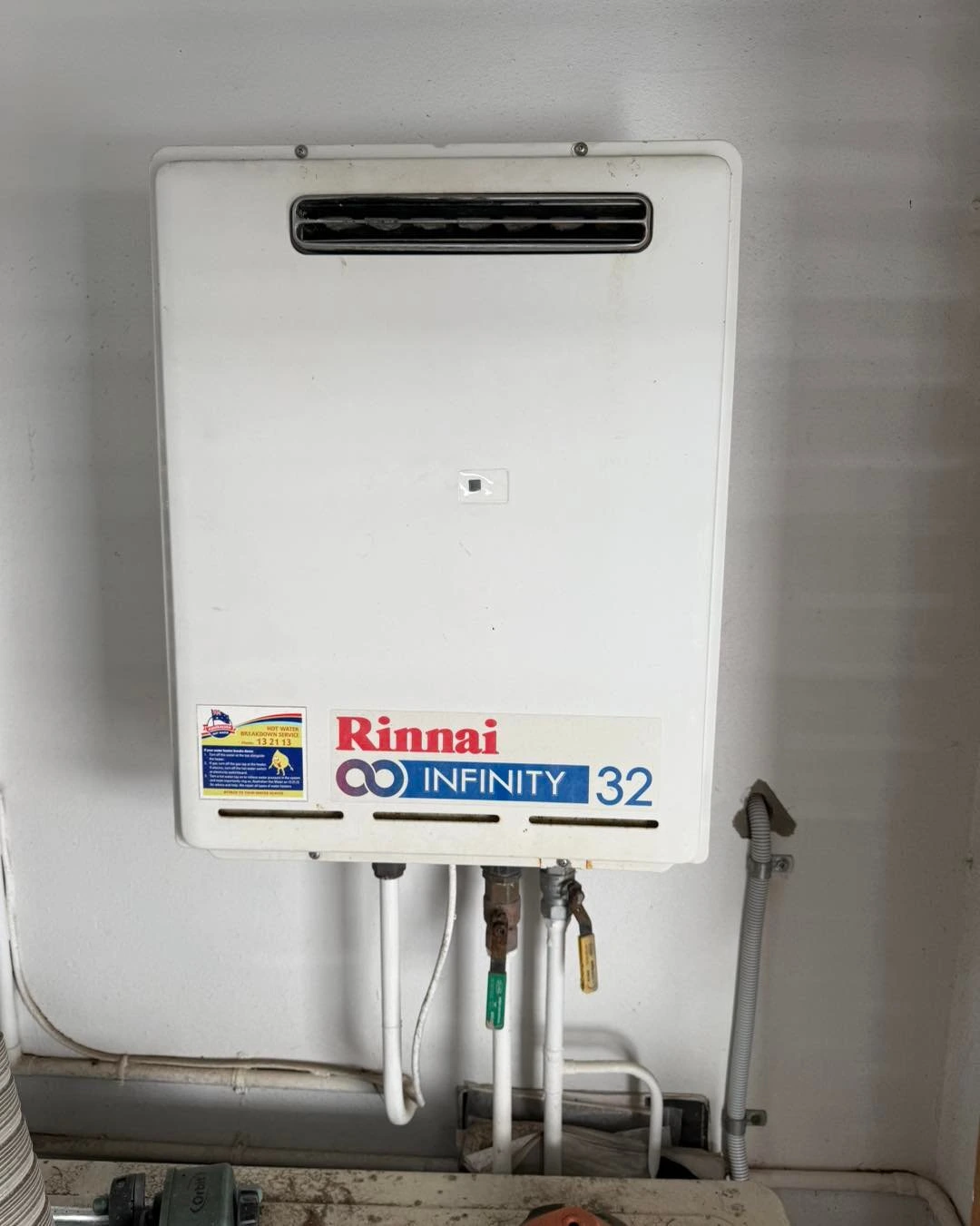
Sydney mornings move fast. Whether it is a quick shower before the train, a busy family getting ready for school, or a professional working from home, reliable hot water is part of everyday life. Choosing the right hot water system can make a noticeable difference to comfort, energy costs, and household efficiency.
Many homeowners only think about their system when it breaks down. However, waiting until an emergency occurs can lead to rushed decisions and higher costs. With modern technologies offering better performance and lower running expenses, there is value in understanding your options before replacement becomes urgent.
Whether you live in a compact apartment, a heritage terrace, or a growing family home, the ideal solution will depend on your household’s unique needs. By considering efficiency, capacity, installation requirements, and future energy costs, choosing the right hot water system Sydney homeowners can rely on will help deliver consistent performance, lower running costs, and long-term value.
Understanding Your Hot Water System Options
Before selecting a hot water unit, it is essential to understand the available technologies and how they align with different Sydney households’ needs to keep readers informed and engaged. Sydney’s property market includes everything from compact apartments in Parramatta to family homes in the Hills District and heritage properties throughout the Inner West. These different housing styles influence which system is most suitable.
For example, a continuous-flow system may work well in a townhouse with limited space, while a larger storage system may suit a growing family in Blacktown or Penrith better. Older Federation homes can also present installation challenges that need consideration before choosing a replacement unit.
The most effective solution is one that matches both your property’s infrastructure and your household’s daily water usage habits, helping you choose a system that fits your lifestyle and saves money.
Planning Hot Water System Installation
Successful water heating system installation starts with understanding your home’s design and how your household uses hot water throughout the day.
Sydney homes vary significantly in age and construction. Newer developments in suburbs such as Box Hill and Marsden Park often accommodate modern technologies with minimal adjustments. Older homes may require electrical upgrades, plumbing modifications, or changes to existing pipework. Australian Standard AS/NZS 3500.4 sets out requirements for the design, installation, and commissioning of heated water services to support safe and efficient operation.
Before proceeding with installation, homeowners should evaluate several important factors. Household size and daily water usage will influence the capacity required, while available energy sources such as gas, electricity, or solar can affect both performance and running costs. It is also important to consider the space available for storage tanks or outdoor units, potential future changes that may increase hot water demand, and accessibility for ongoing maintenance and servicing. Taking these factors into account helps ensure the chosen hot water system delivers reliable performance and long-term value.
Many homeowners focus solely on the purchase price. However, installation requirements often influence overall project costs just as much as the unit itself. Proper planning helps avoid unexpected expenses and ensures the system performs efficiently from day one.
Choosing an Energy-Efficient Water Heating System
Because energy costs are a concern for many Sydney households, understanding energy-efficient hot water systems can help you feel empowered to save money and support sustainability.
Sydney’s climate creates favourable conditions for several efficient technologies. Unlike colder regions of Australia, Sydney experiences relatively mild winters, allowing heat pump systems to operate effectively throughout most of the year. This can help reduce electricity consumption while maintaining a reliable hot water supply.
At the same time, Sydney homeowners are embracing renewable energy solutions. Rooftop solar installations have become increasingly common across suburban areas, encouraging more households to choose systems that complement their broader energy-saving goals.
Key factors to consider include:
- Energy efficiency ratings.
- Insulation quality and heat retention.
- Compatibility with solar energy systems.
- Household hot water consumption patterns.
- Long-term operating costs.
Many younger homeowners now focus on lifetime ownership costs rather than simply selecting the cheapest option available. While efficient systems may require a higher upfront investment, the savings over several years can often outweigh the initial expense.
Signs You Need a Hot Water System Repair
Recognising early signs of water heating system issues can help you stay proactive, prevent sudden failures, and feel more in control of your household’s comfort.
Some problems develop gradually, making them easy to overlook. What begins as a minor inconvenience can quickly become a larger issue if left unaddressed.
Common signs that a hot water system repair may be required include:
- Inconsistent water temperatures.
- Rust-coloured or discoloured water.
- Reduced hot water pressure.
- Water leaks around the unit.
- Unusual noises from the tank.
- Unexpected increases in energy bills.
Sydney’s older suburbs often contain ageing plumbing infrastructure that can place additional strain on hot water equipment. Coastal locations such as Cronulla, Coogee, and the Northern Beaches may also experience accelerated wear due to salt-laden air affecting external components.
Addressing small problems early can help maintain efficiency and extend the system’s lifespan.
When to Consider a Hot Water Unit Replacement
There comes a point when repairs become less practical than investing in a new solution. At that stage, hot water system replacement often provides better long-term value.
Age is one of the biggest indicators. As systems get older, efficiency declines and maintenance costs tend to increase. However, replacement decisions are not always driven by equipment failure.
Modern lifestyles are also influencing upgrade decisions. Many Sydney professionals now work several days each week remotely, creating a more consistent demand for hot water throughout the day. A system selected years ago may no longer suit current household habits.
Several signs may indicate that a hot water unit replacement is the more practical option. An ageing heating water system nearing the end of its expected lifespan often becomes less reliable and more expensive to operate. Frequent repairs, increasing household hot water demand, rising energy bills, and difficulty sourcing replacement parts can all suggest that the existing unit is no longer meeting household needs efficiently. In many cases, replacing an older system with a modern alternative provides improved performance, greater reliability, and better long-term energy savings.
Replacing an outdated unit can improve reliability, lower operating costs, and provide greater confidence that hot water will be available when needed.
Making a Smart Hot Water System Upgrade
A well-planned hot water unit upgrade can deliver benefits beyond simply replacing old equipment. Across Sydney, homeowners are increasingly combining upgrades with broader renovation and sustainability projects. Whether installing solar panels, improving energy efficiency, or modernising living spaces, hot water solutions often form part of a larger strategy to reduce household running costs.
Modern systems offer advantages that many older models cannot match. Improved insulation, better temperature control, enhanced safety features, and smarter energy management all contribute to a more efficient household.
When considering an upgrade, think about:
- Future energy prices.
- Planned home renovations.
- Sustainability goals.
- Potential solar integration.
- Long-term property value.
Rather than choosing a direct replacement, many homeowners find it worthwhile to reassess their current and future needs before making a final decision.
Sydney Conditions Shape System Choice
The ideal hot water system depends on where you live and how your household uses hot water. Coastal suburbs such as Bondi, Coogee, Cronulla, and the Northern Beaches may require more durable equipment due to salt-air exposure, while larger Western Sydney homes often need greater capacity to meet higher daily demand. Older Inner West and heritage properties may also require additional planning because of existing plumbing infrastructure.
| Household Type | Common Requirement | Suitable Approach |
| CBD Apartment Professionals | Limited space and steady demand | Continuous flow system |
| Growing Western Sydney Families | High hot water usage | Large-capacity storage system |
| Coastal Homeowners | Environmental exposure | Corrosion-resistant equipment |
| Solar-Focused Households | Lower energy consumption | Solar or heat pump system |
| Older Inner West Homes | Existing plumbing limitations | Professional installation assessment |
Choosing a hot water system based on your property’s conditions and household needs can improve efficiency, reliability, and long-term value.
Conclusion
Finding the best hot water unit for a Sydney household involves balancing capacity, efficiency, property requirements, climate conditions, and plans. By considering installation requirements, energy performance, repair history, household trends, and local environmental factors, homeowners can make a more informed decision and avoid costly mistakes.
If you need expert advice on selecting, installing, repairing, or replacing a hot water system, contact Final Touch Plumbing today and speak with a local team that understands Sydney homes and their unique requirements.
